There’s something special about that first sip of a perfectly brewed strong coffee in the morning. The rich aroma, the bold flavor, and that energizing kick that gets your day started right.
Learning how to brew strong coffee doesn’t require expensive equipment or barista-level skills. With the right techniques and a few simple adjustments to your routine, you can transform your daily cup into something truly extraordinary. Let’s dive into nine tips that’ll help you master the art of brewing bold, flavorful coffee right in your own kitchen.
- Start with Bold, Fresh Coffee Beans
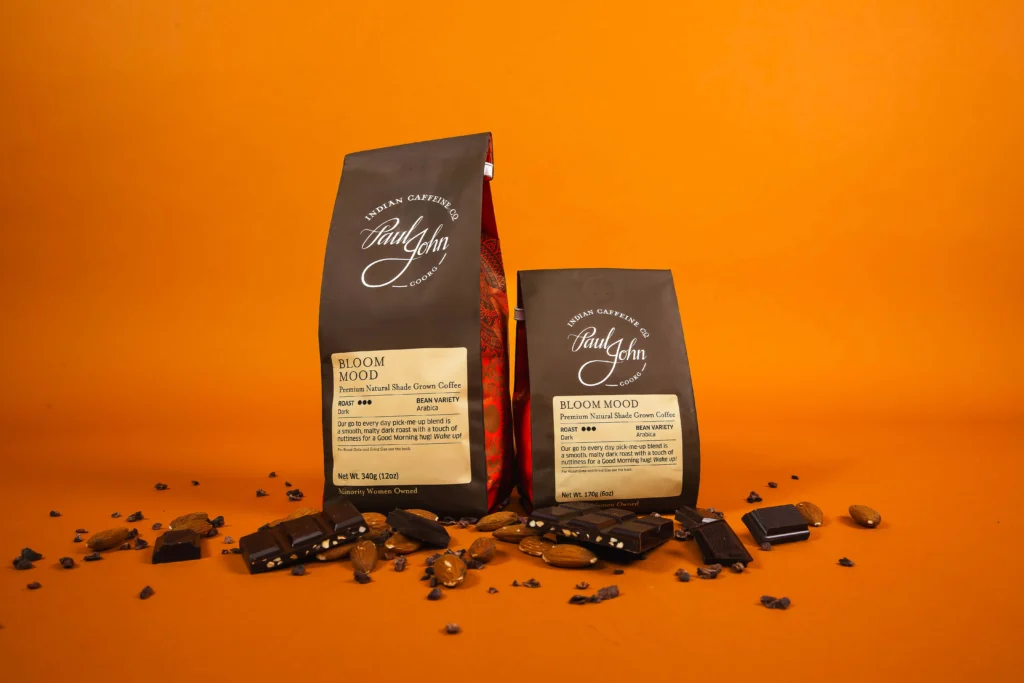
The foundation of any great, strong coffee starts with your bean selection. Dark roasts like our Bloom Mood and Indian Summer blends pack the most punch when you want intensity in your cup.
When it comes to taste profiles, expect Bloom Mood to have a smooth, malty, and a bit nutty flavor that teases your palate, and Indian Summer to have a soothing yet creamy, mild, and full-bodied finish.
How To Select Coffee Beans?
When shopping for the best coffee beans for strong coffee, freshness matters more than most people realize. Buy them whole rather than pre-ground. When you grind them, you should hear a satisfying release of aromatic oils, accompanied by rich aromas of chocolate or toasted nuts rather than flat, stale scents.
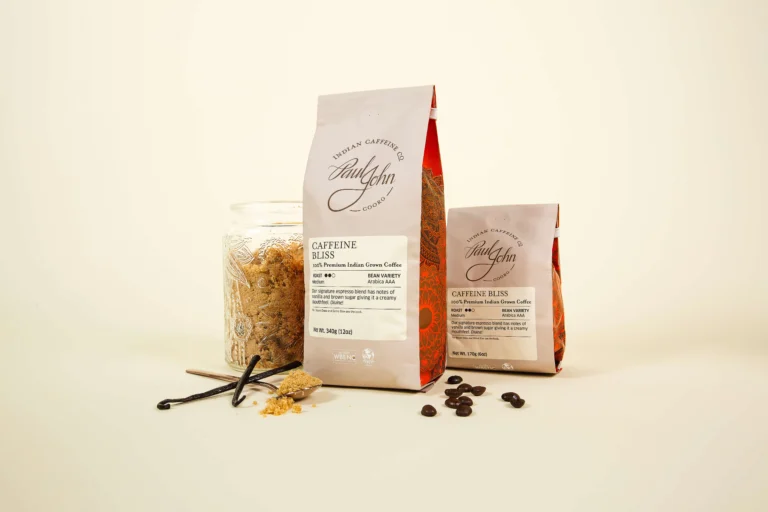
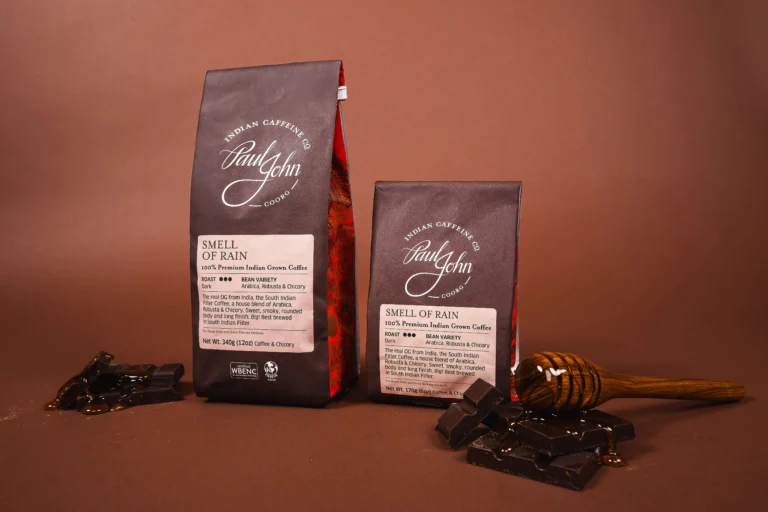
If you’re feeling adventurous, you can try Indian coffee, particularly from regions like Coorg and Chikmagalur. They offer unique characteristics with bold, full-bodied flavors and lower acidity.
Also, the rich, chocolatey notes of Indian coffee beans make them an excellent choice when you want to brew strong coffee with depth and character.
Purchase smaller bags, around 6 to 12 ounces, so you can use them up while they’re at their peak. This ensures every cup delivers maximum flavor without the staleness that creeps in after a few weeks.
- Get Your Coffee-to-Water Ratio Right
This step makes or breaks your brew. The best way to brew strong coffee involves precise measurements rather than eyeballing it. Aim for a ratio between 1:12 and 1:15, which means one gram of coffee for every 12 to 15 grams of water.
In practical terms, you’ll want about two tablespoons of ground coffee per six ounces of water for a drip machine. A simple kitchen scale takes the guesswork out completely. For a standard 16-ounce mug, measure out 30 to 35 grams of coffee and adjust from there based on your taste preferences.
Starting with this stronger ratio gives you a concentrated brew without crossing into bitter territory. However, you can always dial it back if it’s too intense.
Also Read: Easy Irish Coffee Latte Recipe – Creamy & Cozy Homemade Drink
- Grind Fresh Right Before Brewing
Pre-ground coffee loses flavor fast, sometimes within 72 hours of grinding. Grinding your beans right before you brew maximizes the aromatic oils and compounds that give coffee its strength and complexity.
The grind size matters too. Match your grind to your brewing method for optimal extraction. French press users should aim for a coarse texture similar to sea salt or breadcrumbs. Drip coffee makers work best with a medium grind, like table salt. If you’re using a Moka pot or AeroPress, go finer.
A burr grinder delivers the most consistent results because it creates uniform particle sizes. This evenness ensures your coffee extracts properly without creating weak spots or bitter patches. Blade grinders work in a pinch, but they tend to produce uneven grinds that affect your final cup’s quality.
- Heat Your Water to the Sweet Spot
Water temperature plays a crucial role in extraction. You want your water between 195 °F and 205 °F, which is just off the boil. This range pulls out the flavorful compounds from your grounds without scorching them or creating harsh bitterness.
Let your kettle sit for about 30 to 45 seconds after it boils before pouring. If you’re using an electric drip machine, it should maintain this temperature automatically, but cheaper models sometimes run too cool.
Here’s a pro tip: preheat your brewing equipment and mug by rinsing them with hot water first. This simple step maintains the ideal temperature throughout the brewing process and prevents heat loss that can lead to under-extracted, sour coffee.
- Choose Your Brewing Method Wisely
Different methods extract coffee differently, and some naturally produce stronger results. Here is what you should expect with the brewing method you choose:
- The French press retains all those flavorful oils that paper filters remove, giving you a rich, full-bodied cup.
- The Moka pot uses pressure to create an espresso-like concentration that packs serious intensity.
- For those who love their drip machines, you can still brew strong coffee by using a stronger ratio and opting for a metal filter if possible.
- The AeroPress offers versatility with its inverted method, allowing you to control strength through pressure and steep time.
- Even a simple pour-over can deliver bold results when you adjust your technique. The key is understanding how your chosen method works and tweaking it to maximize extraction.
- Master Your Brew Time
Timing separates good coffee from great coffee. The best way to brew strong coffee involves giving your grounds enough contact time with water to extract fully without over-extracting.
Start with a bloom phase: pour about twice the weight of your grounds in hot water, wait 30 to 45 seconds, and watch as the coffee releases carbon dioxide and expands. This degassing prepares the grounds for even extraction.
For immersion methods like French press, steep for four to five minutes with a gentle stir halfway through. Pour-over methods typically need two and a half to three and a half minutes total.
Set a timer and experiment to find your perfect timing because even 30 seconds can make a noticeable difference.
- Use Quality Filtered Water
Coffee is about 98 percent water, so water quality directly impacts your final cup. Tap water often contains minerals, chlorine, or sediments that muddy the flavor and prevent proper extraction.
Use filtered water with a total dissolved solids reading between 50 and 175 parts per million. A simple pitcher filter removes most of the problematic compounds while leaving enough minerals for proper extraction. Avoid distilled water because it lacks the minerals coffee needs to brew correctly.
If you live in an area with particularly hard water, you might need to adjust your coffee-to-water ratio slightly higher to compensate for the mineral content.
- Experiment with Brewing Techniques
Once you’ve mastered the basics, try some advanced techniques to boost intensity. Some drip coffee makers let you add extra grounds mid-cycle for a strength spike. You can also try reusing your grounds for a second, shorter steep to squeeze out remaining caffeine.
A tiny pinch of sea salt can actually reduce perceived bitterness without affecting the flavor profile. Adding a cinnamon stick or cardamom pod during brewing introduces subtle depth and complexity.
Keep notes on what works. Track your ratios, timing, and any tweaks you make so you can replicate your best brews and continue improving.
Also Read: How to Make an Italian Affogato: A Classic Coffee and Ice Cream Dessert
- Store Your Coffee Properly
Even the best beans lose their magic if you don’t store them right. Keep your coffee in an airtight, opaque container away from light, heat, and moisture. Room temperature in a dark cabinet works perfectly.
Avoid storing coffee in the refrigerator because it absorbs odors and creates condensation that degrades quality. The freezer works only if you vacuum-seal portions you won’t use for months, but for most home brewers, buying fresh small batches eliminates the need.
Clean your brewing equipment weekly with a gentle coffee-specific cleaner to prevent oil buildup that can turn rancid and affect flavor. If you’re in an area with hard water, descale your machine monthly to keep it running efficiently.
Conclusion
Now you know all that you need to know about brewing a strong cup of coffee. However, you don’t need to implement all nine tips at once. Pick one or two that seem most impactful for your current setup and build from there.
Maybe you start by investing in a kitchen scale for precise ratios, or perhaps you upgrade to fresh whole beans. Each improvement compounds with the others, gradually elevating your coffee game.
For a truly bold and robust cup, consider Paul John Caffeine. With our premium, carefully sourced beans, you can bring out the full richness and depth of flavor in every brew.